Case study
Duilio Ostia
How a place becomes a system.
The context
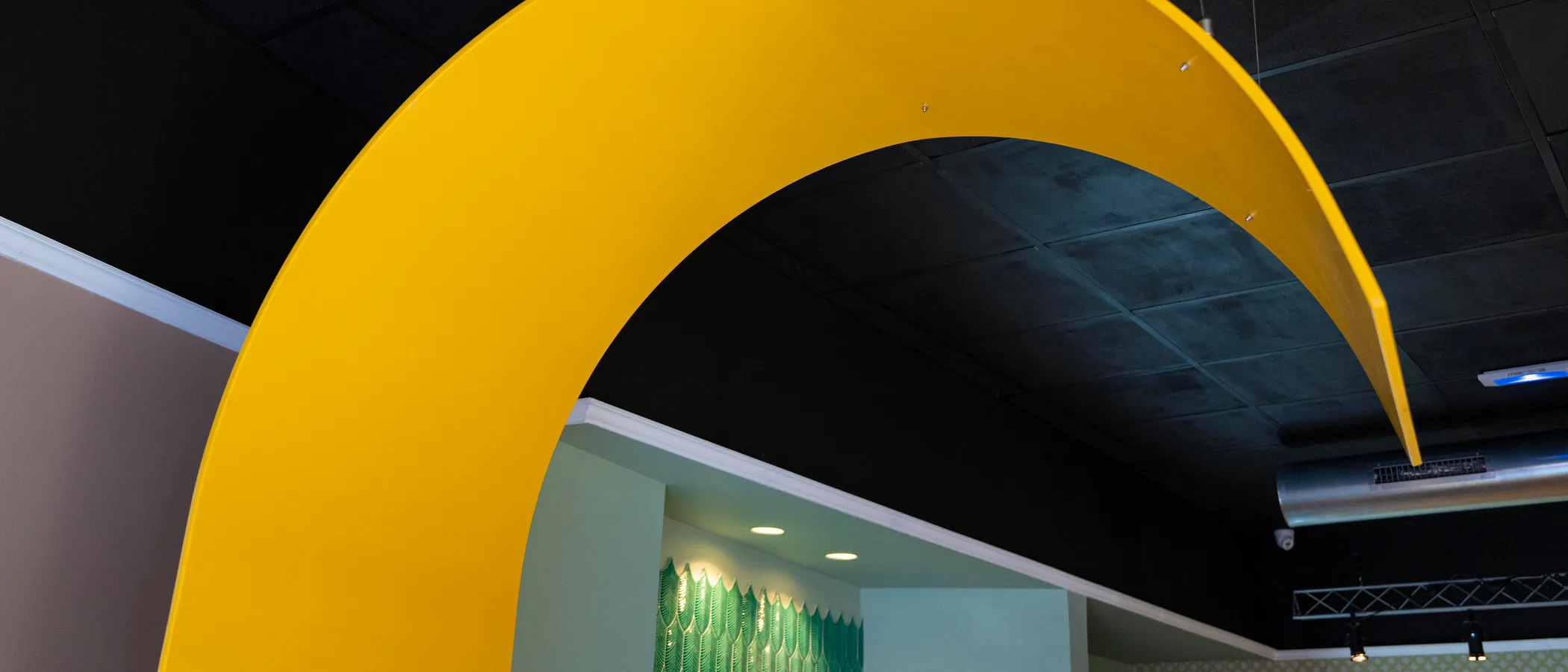
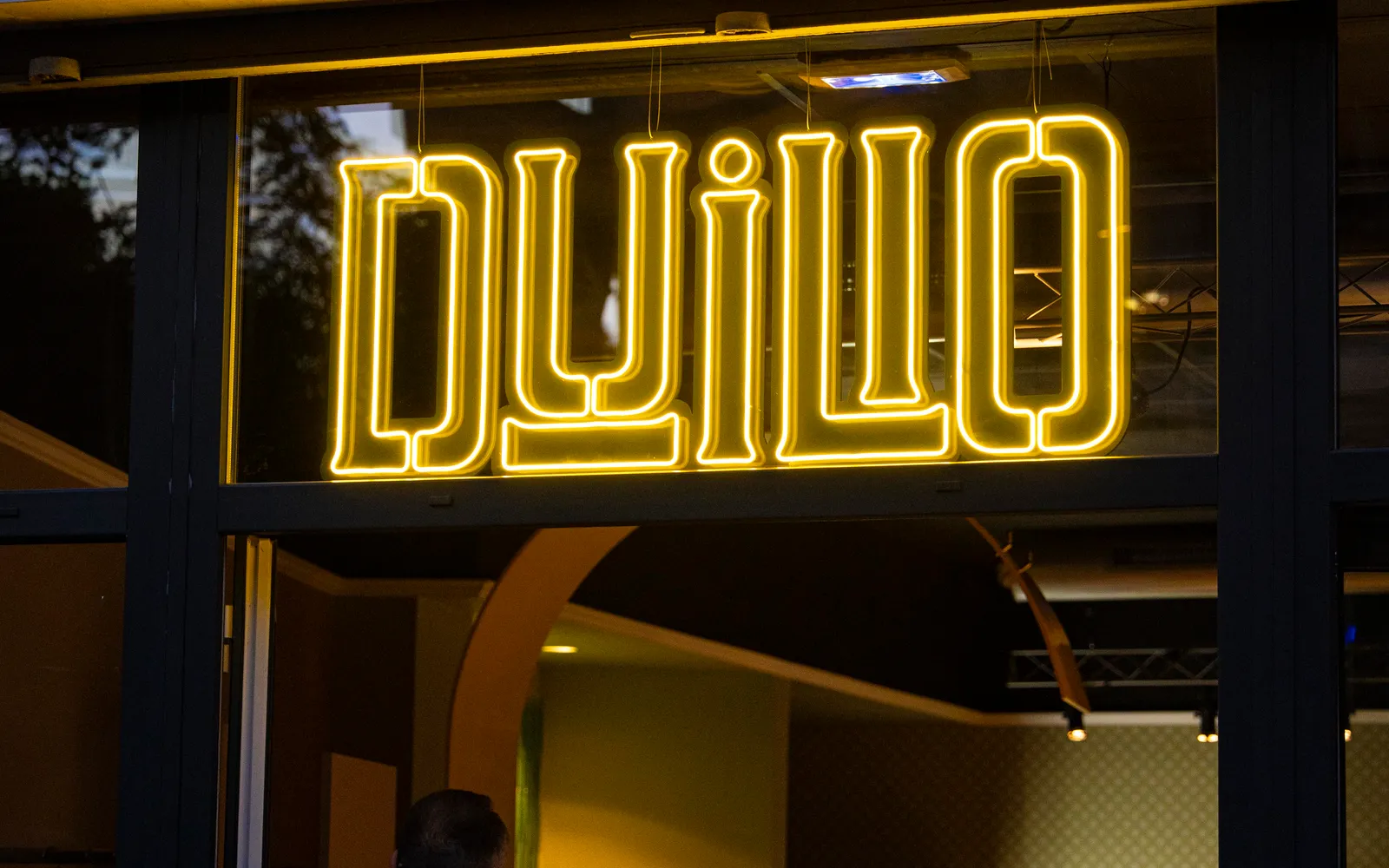
Duilio was born in Ostia Lido, in via San Quiriaco 1, a stone's throw from Capanno Beach Club: a closed venue, waiting to be brought back to life. Not another restaurant, but a neighbourhood home — a meeting point between present and past.
Fabrizio Lentini's vision
Fabrizio Lentini rethought and rebuilt the space starting from raw materials, not from an imposed aesthetic. A place where people meet: free cultural and training events, and a kitchen everyone can afford.
Reclaimed materials
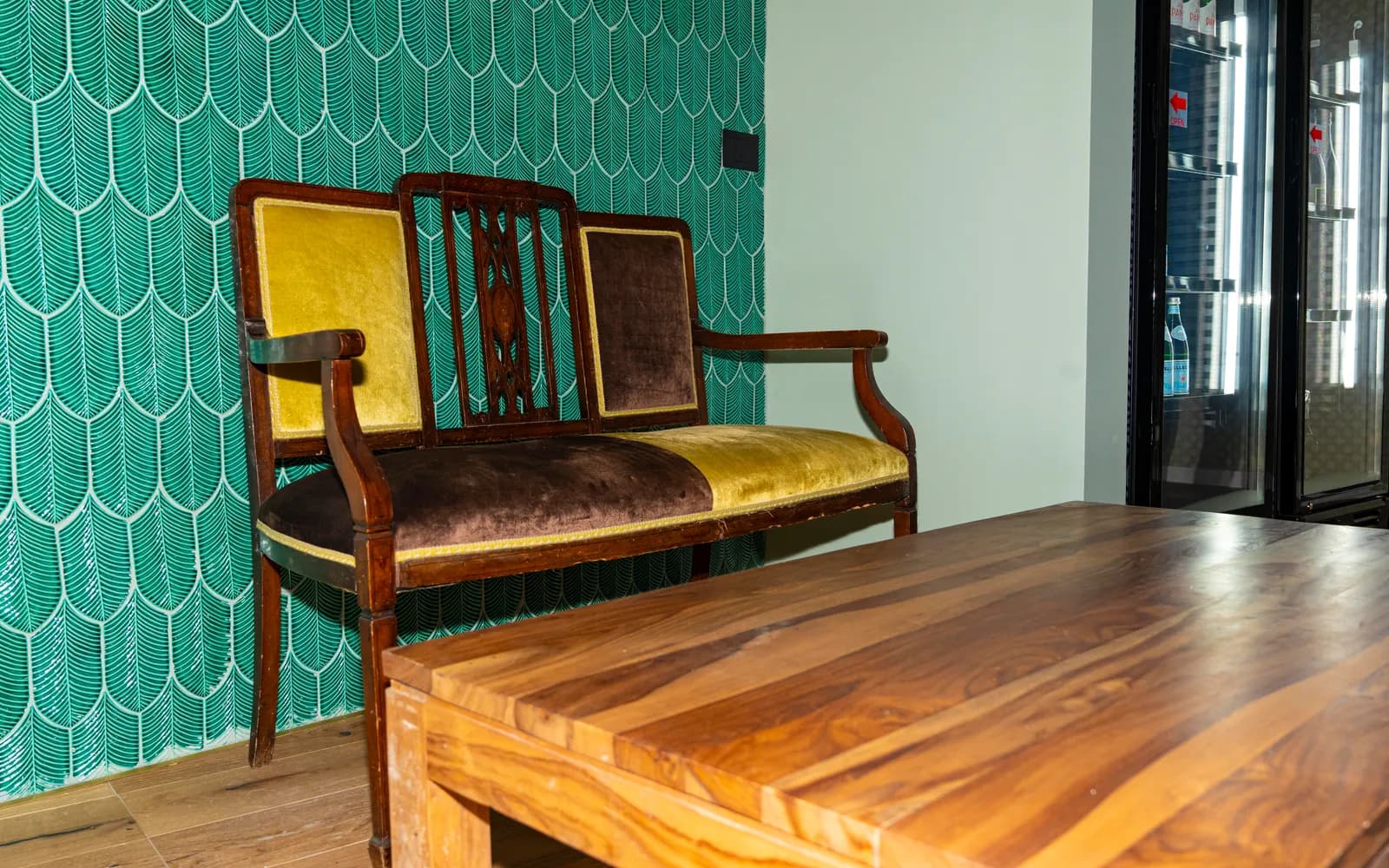
The space was rebuilt with extensive use of reclaimed and reused materials: every element carries a memory and a different era, chosen to give the place warmth and identity.
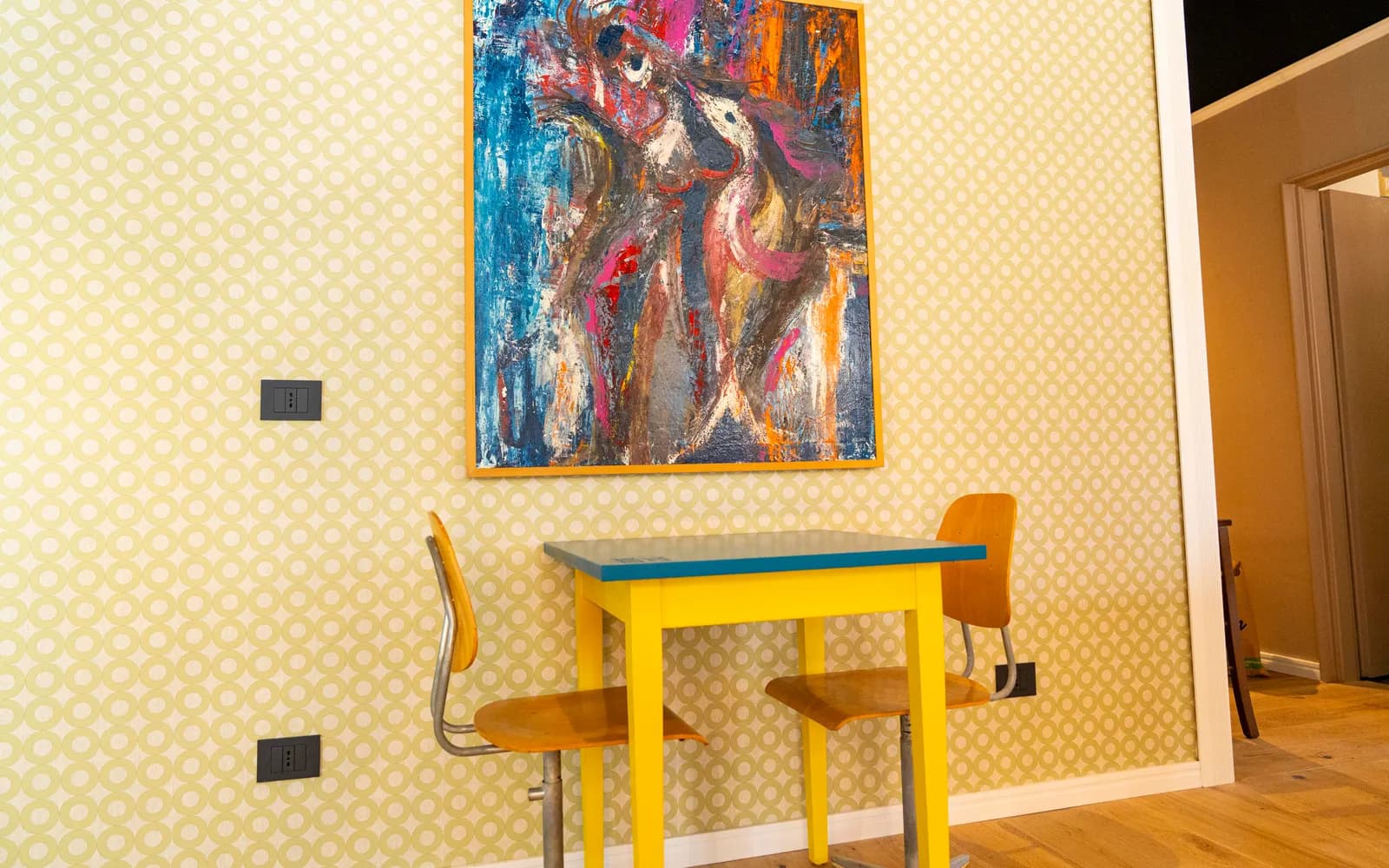
The aesthetic: a film set
An aesthetic that weaves the '60s–'70s with '30s–'40s accents. Every room is conceived as a film set — complete with cinema lights — that doesn't imitate the past, but reactivates it.
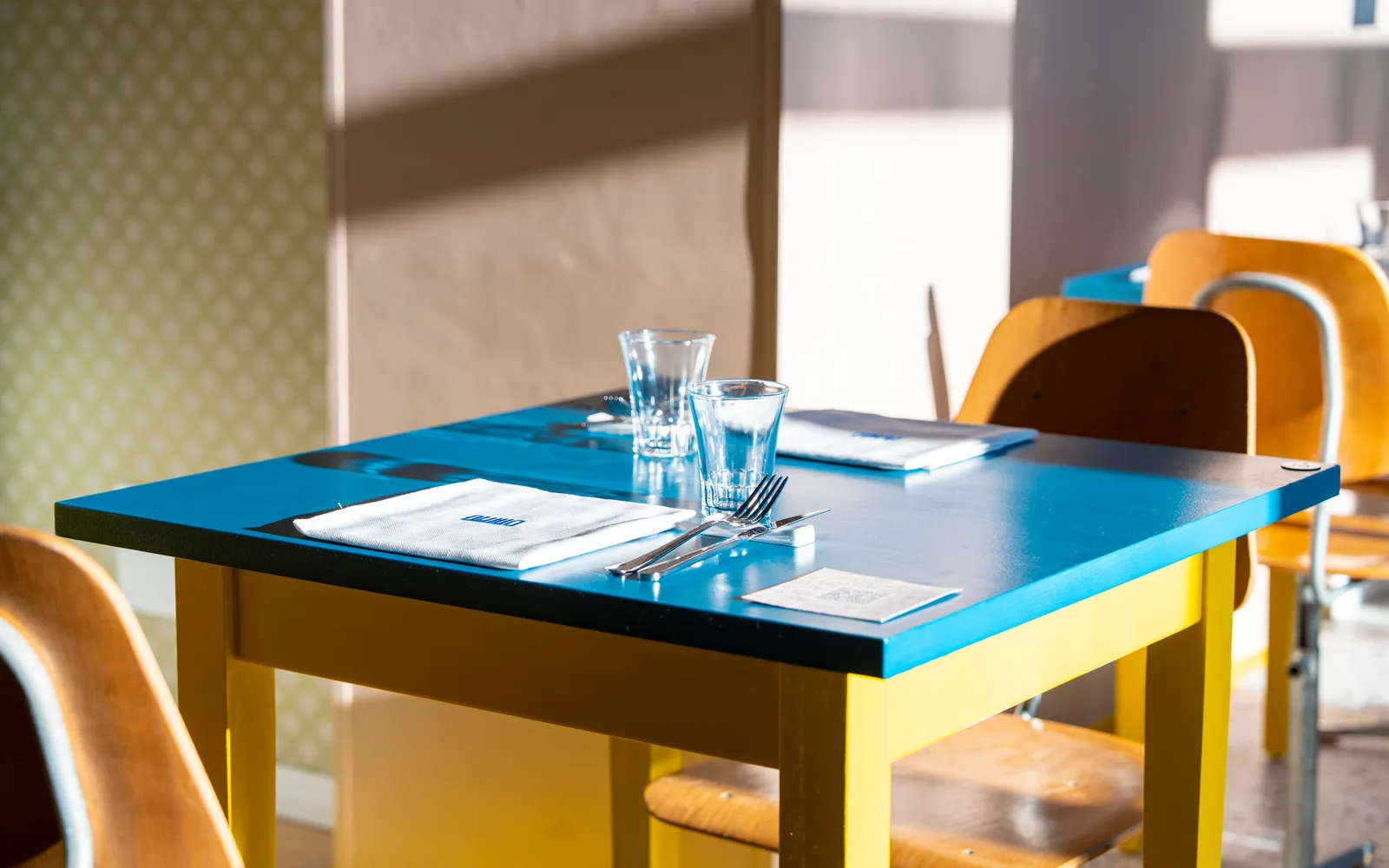
The payoff "Come a casa" (Just like home)
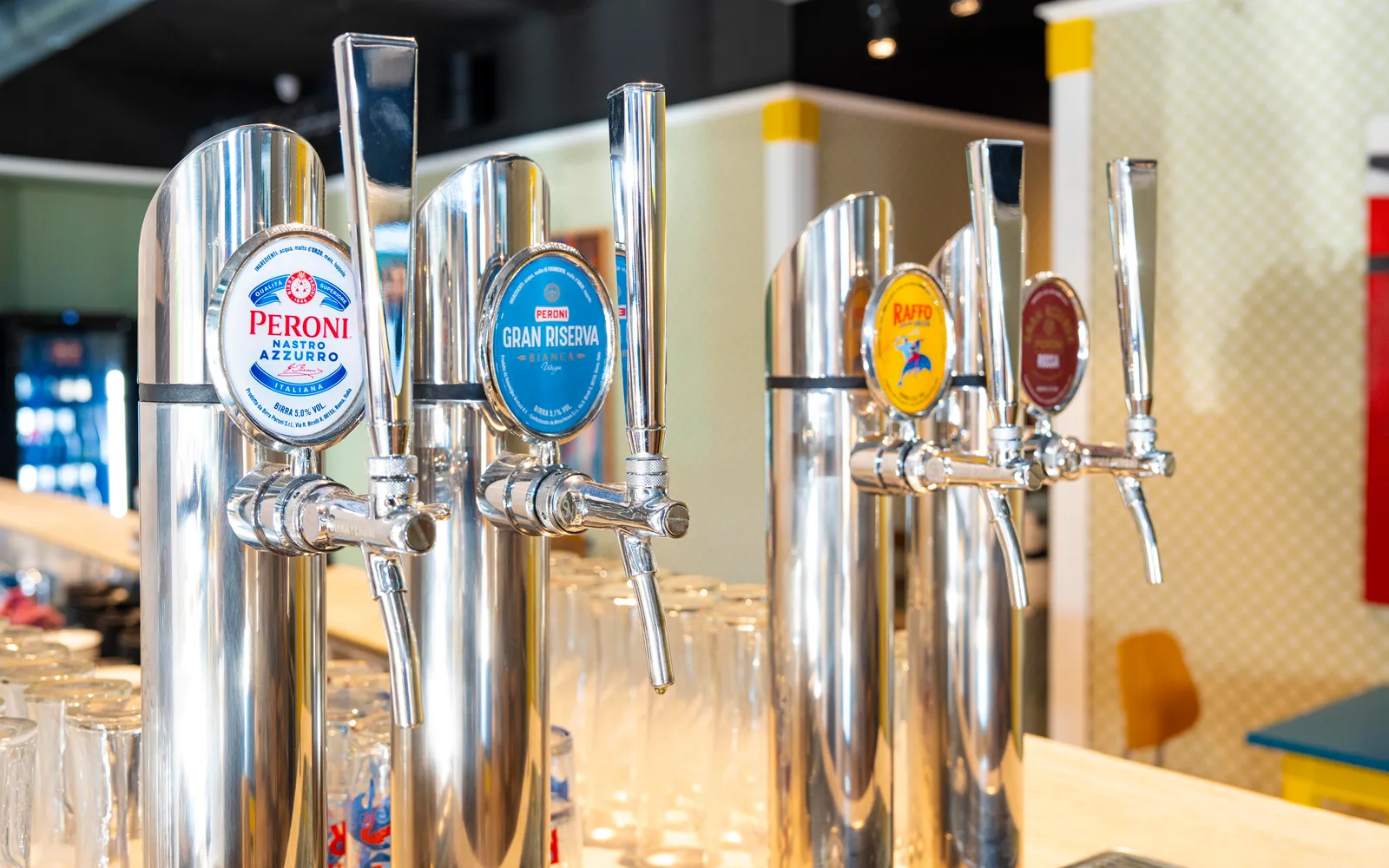
Three words that turn space into a promise: a place where you feel welcomed. Regional Italian cuisine from across Italy, the freshest top-quality ingredients, Italian chefs — at an accessible price.
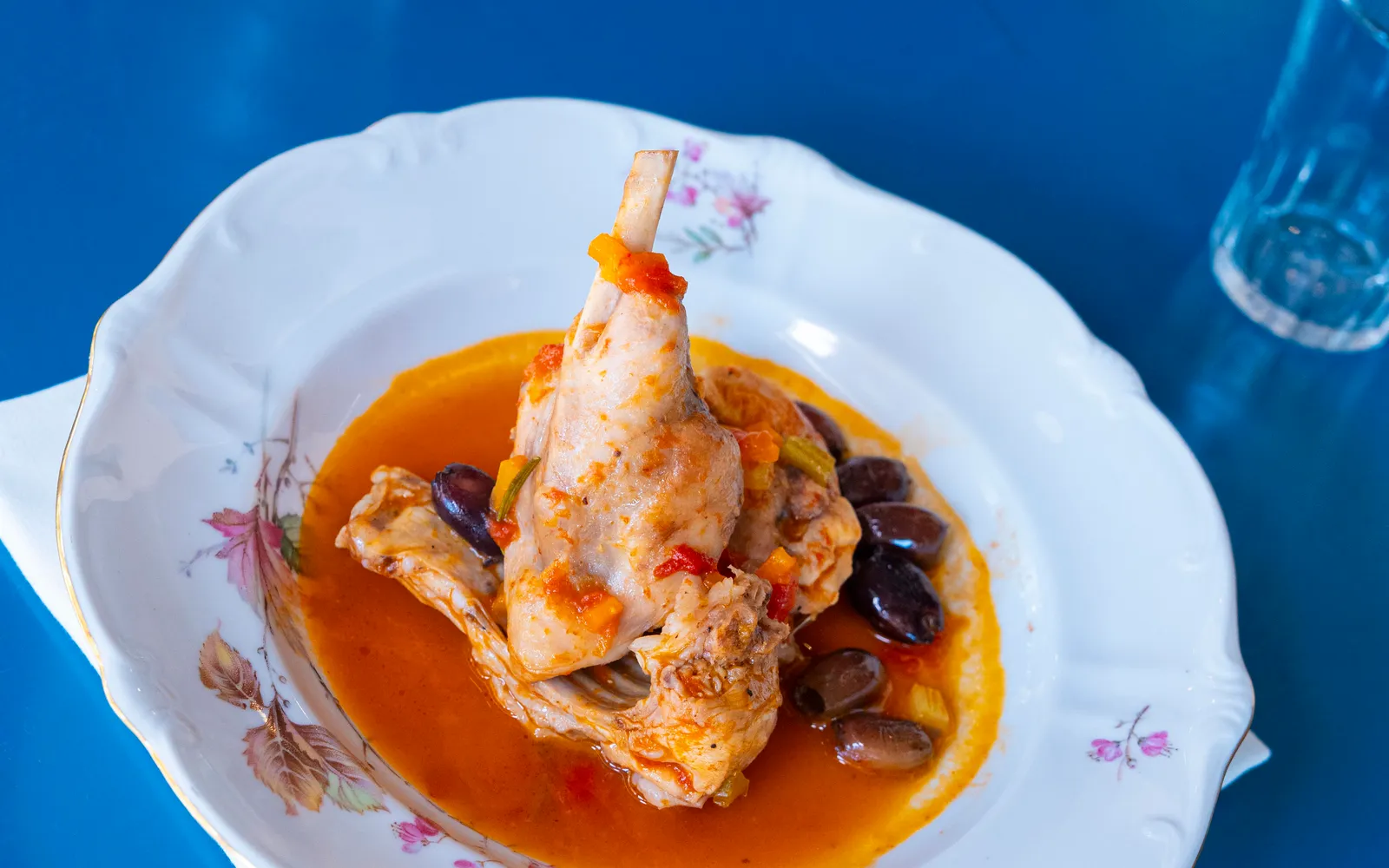
Content production
With Here We Go Agency we produced shootings, reels and photos. From 0 to 3,000 followers in about six weeks — even before showing the interiors, telling the story of the dishes and local products. The space becomes story.
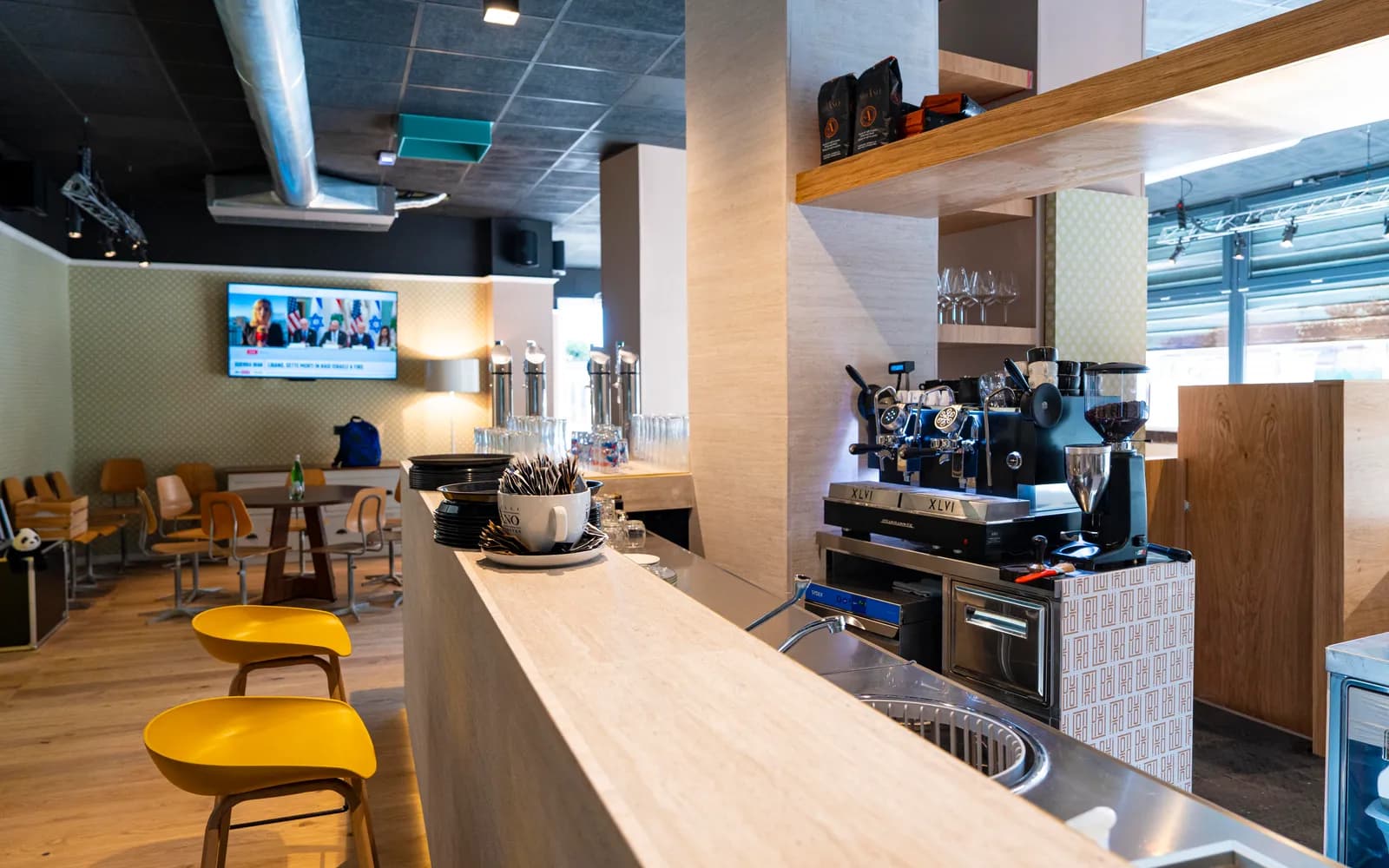
Why it's a proof-of-concept
Duilio isn't just a well-designed restaurant. It's proof that a space can become identity, content, relationship and market — through one method: INNESCO's.